
Lettuce, with its tender leaves and mild flavor, serves as the perfect canvas for culinary creativity. Whether it's the classic crunch of iceberg lettuce, the delicate frilliness of green leaf lettuce, or the nutrient-packed richness of romaine, each variety contributes a unique texture and taste to a wide array of dishes.
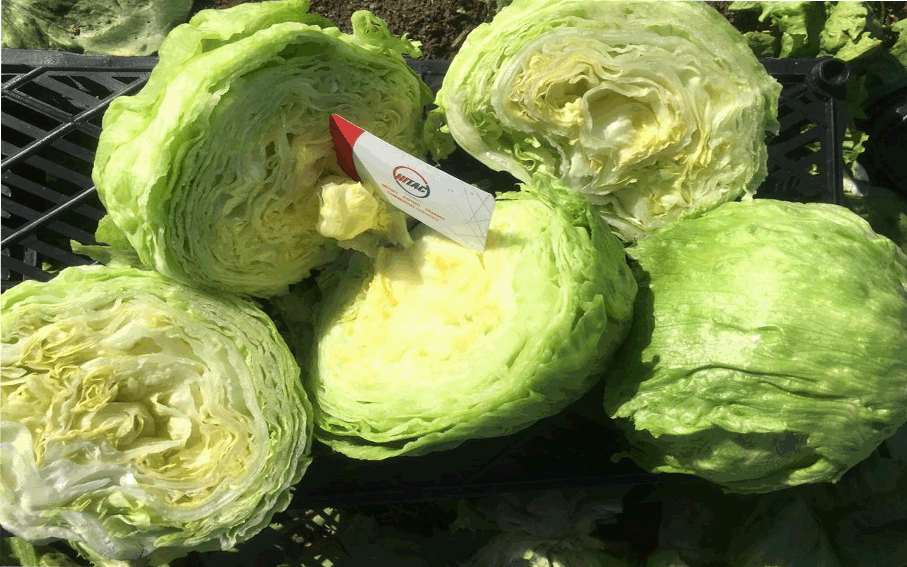
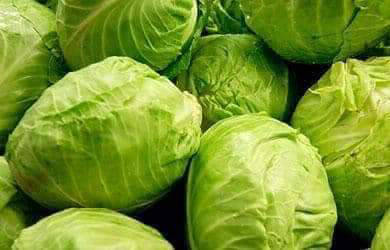
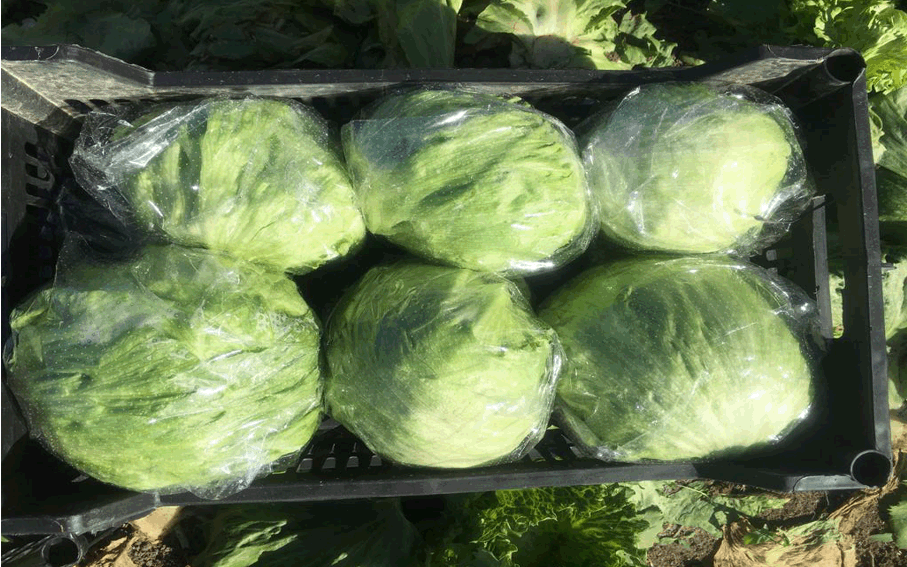
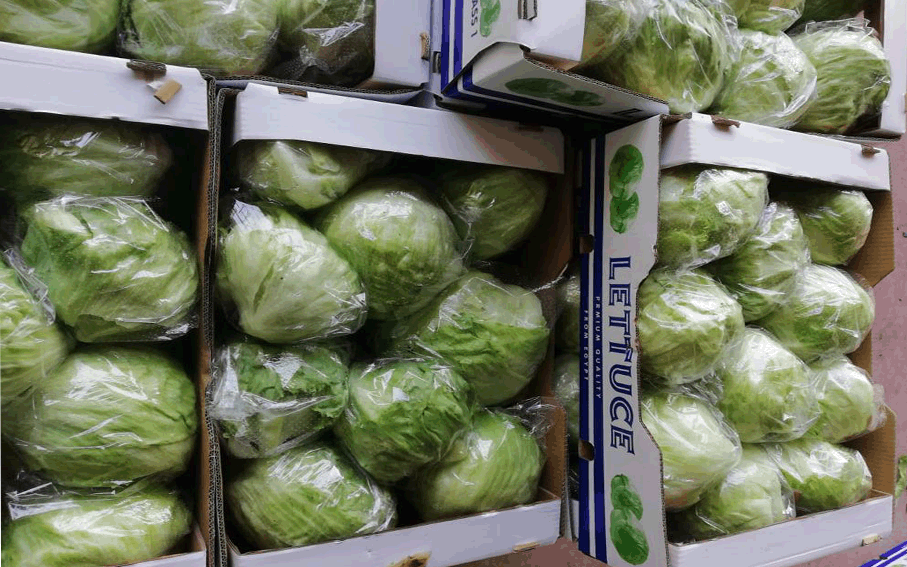
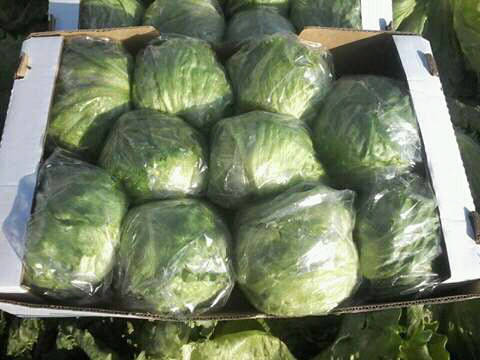

Our vegetables are cultivated and harvested with meticulous care to ensure premium quality. We prioritize quality at every stage, from seed selection to the final product, guaranteeing that you receive vegetables that meet the highest standards, Hitac is committed to sustainable and eco-friendly farming practices. We employ methods that minimize environmental impact, promote biodiversity, and prioritize soil health. By choosing our vegetables, you support sustainable agriculture and contribute to a healthier planet.
We like to offer you Lettuce with the best quality
We always make sure that our products accordance with the European specifications
Varity: hot Lettuce - white Lettuce - bell Lettuce
Packing : 7: 9 pieces (5: 6 kg each) in a Plastic or carton box - or as requested.
the Container 40 feet HC can have from 12 to 20 ton .
1. Immune System Boost
Lettuce is a rich source of vitamins and minerals, including vitamin C and manganese, which contribute to a strengthened immune system, helping your body defend against illnesses.
2. Healthy Skin
Packed with antioxidants like beta-carotene, lettuce promotes healthy skin by protecting it from oxidative stress. Including lettuce in your diet may contribute to a vibrant and youthful complexion.
3. Cardiovascular Support
Lettuce contains potassium and fiber, both of which play a role in maintaining a healthy cardiovascular system. Incorporating lettuce into your diet may support optimal blood pressure and heart function.
4. Digestive Health
Being a low-calorie and high-fiber food, lettuce promotes digestive well-being by supporting regular bowel movements and preventing constipation.
5. Natural Energy Source
The combination of vitamins, minerals, and water content in lettuce provides a natural and refreshing energy boost, keeping you revitalized throughout the day.
Individual Quick Freezing usually abbreviated IQF is a freezing method used in food processing industry. Products commonly IQF with IQF technologies are typically smaller pieces of food products and can range from all types of berries, fruits and vegetables diced or sliced, seafood such as shrimps and small fish, meat, poultry and even pasta, cheese and grains. Products that have been subjected to IQF are referred to as Individually Quick IQF or IQF'd
Benefits
One of the main advantages of this method of preparing IQF food is that the freezing process takes only a few minutes. The exact time depends on the type of IQF freezer and the product. The short freezing prevents formation of large ice crystals in the product’s cells, which destroys the membrane structures at the molecular level. This makes the product keep its shape, colour, smell and taste after defrost, at a far greater extent. Another significant advantage of IQF technology is its ability to separate units of the products during freezing, which produces higher quality product compared to block freezing. This advantage is also important for food sustainability, as the consumer can defrost and use the exact needed quantity. There is a range of IQF technologies, but the main concept is to transport the product into the freezer with the help of a processing line belt or infeed shaker. Inside the freezer, the product travels through the freezing zone and comes out on the other side. Product transportation inside the freezer is by different technologies. Some freezers use transportation belts similar to a conveyor belt. Others use bed plates that hold the product, and an asymmetrical movement makes the plate advance by itself through the freezer.Methods
There are 2 main IQF technologies: mechanical IQF freezers and cryogenic IQF freezers. Mechanical IQF freezers work on the principle of cold air circulation, which flows from underneath the bed plate or transportation belt with the help of fans. The cold airflow keeps passing through the pieces of product in circular motions while the product is also advancing through the freezer towards the exit end. The design and efficiency of this type of IQF freezers varies among manufacturers who are trying to find the perfect balance of aerodynamics for an optimal freezing result. This technology has seen impressive improvements and developments during the past 20 years, being suited for an increasing range of products. Cryogenic IQF freezers immerse the product in liquid nitrogen at very low temperatures, freezing it very rapidly while continuously moving the product to avoid block or lump formation. Even though this method shows good freezing results, it might lead to higher processing costs per kg of product due to the large amount of higher cost liquid nitrogen required. A growing demand and interest in IQF products is registered at global level due to the higher quality of these products and to the practical benefits of having separately IQF pieces. IQF is also a common pre-treatment for freeze-drying food because both processes preserve the size, taste and cell structure of the food better than methods like traditional block freezing or air drying respectively..png)
